



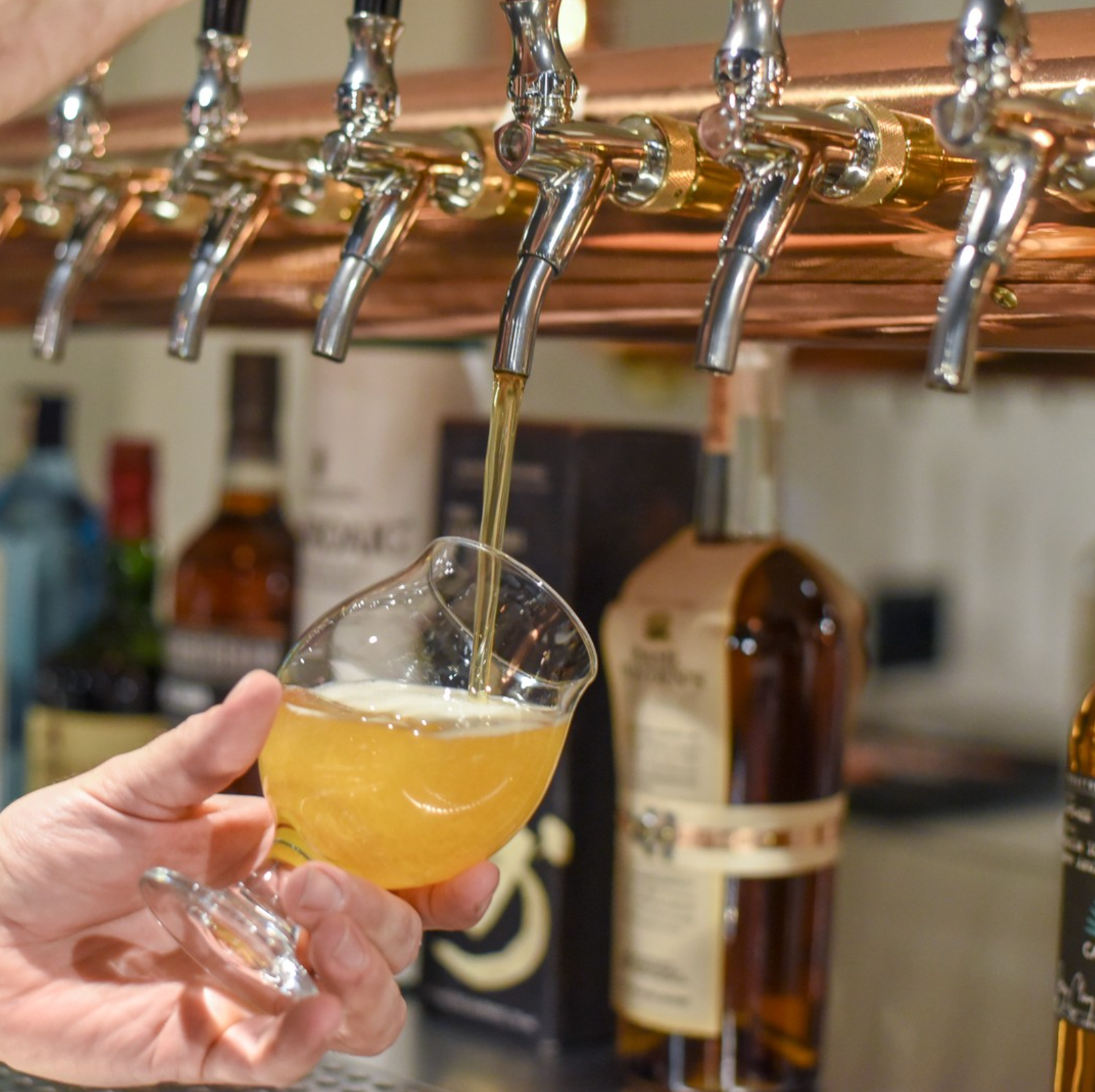
Pouring the perfect beer is both an art and a science, largely hinging on the correct setting of your draft beer system's pressure. Setting the pressure incorrectly can lead to a mere trickle or an aggressive spray of foam from your tap. This guide will help you understand how to determine the right pressure for your draft beer system to ensure your beer pours just right.
Common CO2 Keg Pressure Settings for Different Styles of Beer
The correct pressure settings for various beer styles are crucial for achieving optimal carbonation and pour quality. Below are detailed tables categorizing these settings for different beer types:
| Type of Beer | CO2 Volumes | Ideal CO2 Gauge Pressure (PSI) |
|---|---|---|
| Ales (Pale Ales, IPAs, etc.) | 2.1 - 2.6 | 7 - 13 |
| Lagers | 2.4 - 2.6 | 10 - 14 |
| Continental & Light Pilsners | 2.5 - 2.8 | 11 - 16 |
| Wheat, Belgian Ales, and Sours | 2.8 and more | 15 - 20 |
| Stouts | 1.2 - 2.1 | 35 - 38 (Beer Gas) |
Vinyl and Stainless Steel Beer Line Resistance
To correctly set up your draft beer system, understanding the resistance of your beer line based on its material and size is essential. Here are the line resistance values for common types of beer lines:
Vinyl Beer Line Resistance
| Line Length | Hose Diameter | Line Resistance |
|---|---|---|
| 1 foot | 3/16″ Inside Diameter | 2.20 lb |
| 1 foot | 1/4″ Inside Diameter | 0.65 lb |
| 1 foot | 5/16″ Inside Diameter | 0.40 lb |
| 1 foot | 3/8″ Inside Diameter | 0.20 lb |
| 1 foot | 1/2″ Inside Diameter | 0.025 lb |
Stainless Steel Beer Line Resistance
| Line Length | Hose Diameter | Line Resistance |
|---|---|---|
| 1 foot | 1/4″ Outside Diameter | 1.20 lb |
| 1 foot | 5/16″ Outside Diameter | 0.30 lb |
| 1 foot | 3/8″ Outside Diameter | 0.12 lb |
Determining the Right Pressure for Your Long-Draw Draft Beer System
For those with more complex long-draw draft beer systems, determining the right pressure requires considering the beer’s journey from keg to tap. A simple formula to guide you is:
Pressure = (Length of Beer Line in Feet x Line Resistance) + (Gravity x 0.5)
In that formula, gravity counts every foot the beer has to climb, including the rise through the draft tower to the faucets. On long-draw systems the tower should also be cooled so the beer does not warm up on the last stretch: every draft beer tower we build can be ordered glycol-cooled or air-cooled, and our bridge beer towers carry high tap counts on a single span.
Signs of Incorrect Pressure Settings
Over-Carbonation:
- Appearance: Resembles a seltzer water, effervescent and fizzy.
- Taste: Sharp and acidic due to the formation of carbonic acid.
- Smell: Acidic smells may be noticeable.
- Texture: Can feel overly fizzy, similar to drinking Pop Rocks.
Under-Carbonation:
- Appearance: Appears still, akin to apple juice.
- Taste: Tastes flat and uninteresting.
- Smell: Diminished aromatics.
- Texture: Feels thin or watery.
Balancing the pressure in your draft beer system is critical for achieving the perfect pour. Whether you’re setting up a home kegerator or a commercial long-draw system, understanding these principles will help you serve great beer, just like a professional bartender.
Planning a new draft system? Fût Mauricie has been building custom systems since 1992: draft beer towers in the tap count and finish you need, and drip trays to match. Get a free quote with a 3D rendering in 24 business hours.
Share:
Foamy, Flat, or Cloudy Beer: Troubleshooting Your Draft Beer System